Clear Scope First
The crew explains what an inspection finds and recommends targeted next steps before treatment begins. You can discuss the proposed work and understand what the visit covers before moving ahead.
Fishhook’s heavy snowfall changes how we inspect a property. Snow can hide exterior access points and make an entry gap harder to reach, so our crew plans inspections around safe access rather than guessing from indoors. Near Fishhook City Hall, that can mean checking roofline and foundation areas when conditions allow.
We inspect likely entry routes and explain what the evidence shows before recommending treatment or exclusion. Our team has served Fishhook for 11+ years, with careful inspections and targeted plans for homes and other buildings.
The Fishhook Public Library is another local reference point for our service area. A short growing season also makes timing outdoor pest work important.
For a clear inspection plan in Fishhook, call our team at (855) 681-0299. We can discuss the property, access, and what you have noticed.
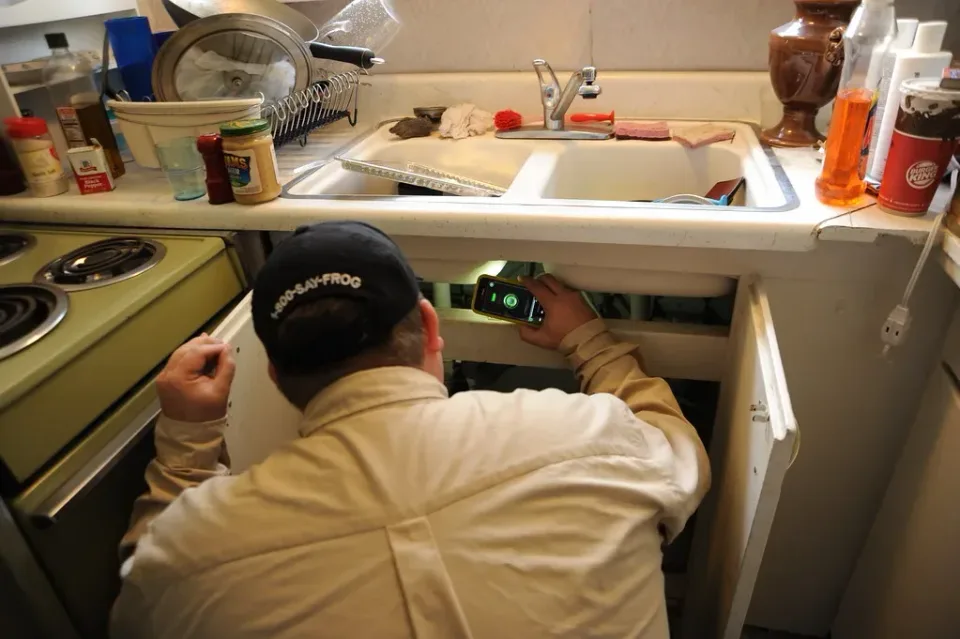
Fishhook’s Fishhook Historic District reflects the town’s local character, while long freezing winters and heavy snowfall shape the way we inspect nearby buildings for pest activity. Snowmelt around a roof can add moisture below a building; our team checks accessible crawlspace areas when the property shows signs of dampness. Summer warmth can also bring more insect activity during the short mild season, so we look for current evidence before recommending treatment.
We schedule with property access and seasonal conditions in mind, and customers can expect a practical plan not a blanket application. Call (855) 681-0299 to discuss service for your Fishhook property.
Cold snaps can drive rodents into Fishhook homes, where scratching at night or droppings near pantry shelves may point to activity. Our crew checks likely access routes and interior evidence; you can safely look for droppings along pantry edges before we arrive. Mouse Extermination may include targeted control and advice on sealing entry points.
Snow buildup can block vents and exterior inspection access. We account for that at Fishhook Community Center-area properties by arranging a safe inspection route; do not climb onto snow-covered roofs to check openings.
In spring, pooled meltwater around a foundation can support pest activity, so note damp areas you can see from the ground. Our team also handles Ant Extermination when trails appear around windows, checking the trail before selecting a treatment.
We serve Fishhook ZIP codes 99645 and 99654. Seasonal daylight can affect outdoor scheduling, so we confirm access and timing when arranging a visit.
Wind-driven rain can expose small gaps around doors and windows in Fishhook, including properties near Fishhook Memorial Park. We inspect visible seams and explain which openings may need attention; you can check the door and window edges from indoors without removing trim.
Summer mosquitoes peak near wetlands and standing water, so our Mosquito Treatment planning starts with identifying where water collects around a Fishhook property. Look for pooled water after rain and note where mosquitoes gather.
We use that site information to discuss targeted options rather than treating without a clear reason. The EPA pesticide product label sets directions for where and how a product may be applied, and FIFRA requires pesticide use to follow those approved labels. We explain the treatment area and label precautions before work begins.
Our team checks the job scope and property conditions before treatment; Fishhook City Hall is a local point of reference, but we do not claim a city permit rule without confirmation from the proper authority.
We explain the relevant steps and treatment precautions before work starts.
Get a clear inspection and practical recommendations for your Fishhook home or building.
The crew explains what an inspection finds and recommends targeted next steps before treatment begins. You can discuss the proposed work and understand what the visit covers before moving ahead.
With 11 years in business and experience built in Anchorage, Alaska Pest Pros understands how cold conditions and tightly sealed buildings can affect pest activity and entry points.
The team coordinates statewide visits around regional access, weather, and customer needs. You receive updates from scheduling through follow-up, and technicians explain what they find along the way.
The crew explains each stage, from your first call through follow-up.
Share the Concern
Tell the team what pest activity you have noticed and where it is happening. They gather details to plan an appropriate visit and keep you informed about scheduling.
Inspect and Identify
A technician checks the affected areas and identifies the pest before selecting treatment. You learn what the inspection reveals and which next steps fit the findings.
Treat the Area
The technician carries out the agreed treatment and explains any precautions, including keeping children and pets away from active treatment areas. You also receive product-label reentry instructions.
Silverfish near bathroom drains can point to pest activity in a damp area. Keep track of where and when you see them, and check nearby storage for additional signs before contacting a pest professional.
Moths emerging inside stored-food cupboards are a sign to check pantry goods and storage areas. Look for affected packages and keep food securely closed while you assess whether the activity is continuing.
As temperatures rise after long freezing conditions, check buildings for new pest activity and entry points. An inspection can help identify what is active and guide targeted treatment before problems become harder to manage.
The short, mild summer brings a different window for outdoor pest activity and building checks. Schedule an inspection if you notice insects near the structure or activity indoors, and ask about treatment suited to the pest identified.
As colder weather approaches, rodents may seek shelter inside buildings. An inspection can help locate activity and possible access points, giving you practical next steps before freezing conditions settle in.
Indoor signs are a reason to arrange an inspection, identify the pest, and discuss treatment and prevention options.
Ask who will apply any pesticide and whether the applicator holds Alaska certification. Alaska Pest Pros states its applicators are Alaska-certified, and the answer helps you understand who is handling treatment at your property.
Statewide visits are coordinated from Anchorage around regional access, weather, and customer needs. Ask how those factors affect the proposed schedule and how the team will keep you updated if plans need to change.
Ask which areas the inspection covers, what treatment is recommended, and whether prevention advice is included. A clear scope helps you understand what the crew plans to do and what may require separate discussion.
Ask which areas need to be accessible and what items should be secured before treatment. For indoor applications, clear accessible baseboards and secure food, dishes, and pet bowls as directed by the team.
Ask how follow-up is handled, what to report if activity returns, and whether any service terms apply. Knowing these details helps you understand how communication continues after the initial visit.
Request a quote online or contact our Fishhook, AK team directly by phone or email.
Note when and where the sound occurs, then look for droppings near pantry shelves or along accessible wall edges. Do not open the wall; our Fishhook inspection checks for evidence and likely access routes.
No. Cold weather can drive rodents toward indoor shelter. Check accessible pantry edges for droppings and tell our crew where you have heard activity so we can inspect the right areas.
Pest Control is also available in these nearby communities across Alaska.