Clear Findings
A technician explains what the inspection finds and recommends targeted next steps. You can understand the pest concern and proposed scope before treatment begins.
Sitka’s damp, windy coastal conditions can push pests toward sheltered parts of a building. At wood-frame homes near Sheldon Jackson Museum, our team checks how pests are entering before recommending treatment.
Coastal exposure matters. Wind can carry moisture and debris against exterior openings, so we inspect likely access points rather than treating every room the same way. Sitka City Hall is another familiar reference point for our local scheduling and coverage; our crew plans visits around the property and access needs, not a generic city route.
We handle pest inspections and targeted control for homes and other properties in Sitka, including Mount Edgecombe. Our team explains what we find, what treatment involves, and any preparation needed before work begins. If you hear scratching or find droppings, you can check accessible pantry and utility areas without disturbing suspected nesting sites.
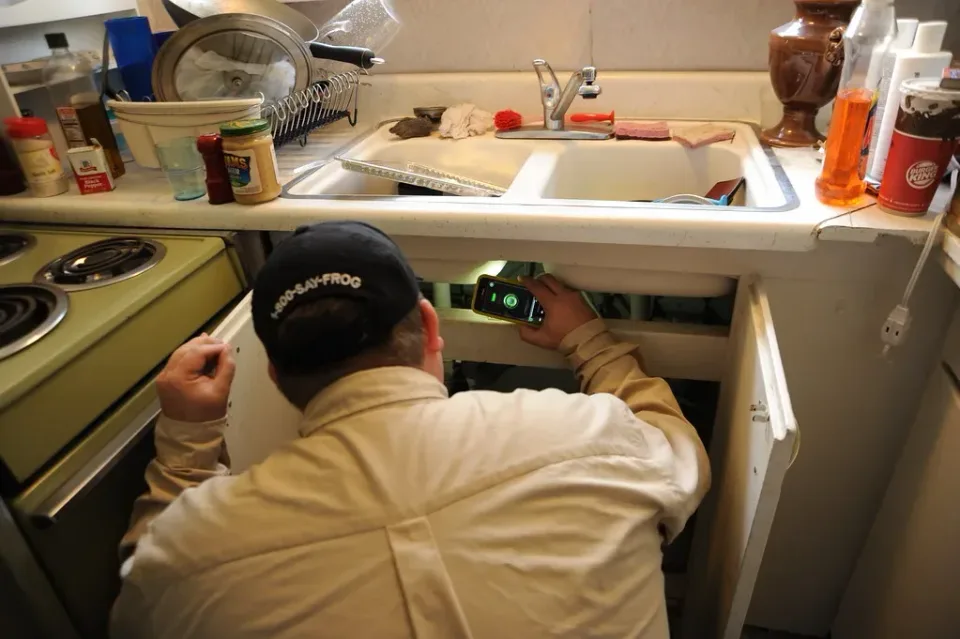
Sitka’s frequent rainfall makes a careful property inspection useful before choosing a pest treatment. Near Sitka Public Library, our team considers where moisture collects and whether roof runoff could be increasing crawlspace dampness; customers can safely look for standing water near an accessible foundation edge.
Subzero temperatures can freeze exposed plumbing, so tell us about vulnerable pipes before an interior visit. Summer warmth can increase insect activity, which makes prompt pest identification more useful than treating by assumption. We coordinate appointments for Sitka properties and explain access and preparation in advance. Call (855) 681-0299 to discuss a local inspection.
Scratching in a wall at night or droppings by pantry shelves calls for a focused inspection, not guesswork. Sitka’s frequent heavy rainfall can leave pooled water near foundations after snowmelt, and cold snaps may push rodents indoors; check accessible foundation edges and pantry corners for fresh signs.
Our crew traces activity, checks likely entry points, and explains whether traps, monitoring, or exclusion fit the evidence. Snow buildup can block vents and exterior access, so we plan the inspection around what can be safely reached. For a property near Sitka High School, our team can assess reported rodent activity and identify practical next steps. We serve Sitka, AK.
Rain-resistant siding does not eliminate every opening.
Long, cold winters make freeze protection important for Sitka buildings, so our team checks accessible entry areas without disturbing plumbing or insulation. Near Sitka Memorial Park, we schedule exterior work with changing seasonal daylight in mind, which can affect safe access and inspection timing.
For mouse control, we look for evidence and openings before recommending a treatment plan. The Federal Insecticide, Fungicide, and Rodenticide Act sets federal requirements for pesticide use; we follow applicable product directions for any treatment. Contact us when a gap or pest sign needs a closer inspection.
The correct treatment starts with identifying the pest. At Sitka City Hall, our team can use the landmark as a local scheduling reference, but pest identification and pesticide requirements are governed by applicable state and federal rules, not by the landmark or address alone.
EPA pesticide label directions govern where a product may be applied and when people can reenter treated areas; we explain those instructions before work begins. OSHA’s Hazard Communication Standard addresses workplace chemical information, so our crew uses relevant safety information when handling products.
Sitka residents should not assume a treatment is appropriate until the pest and site are assessed. We document findings, explain preparation, and recommend only work suited to the property. Call (855) 681-0299 with questions before an appointment.
Get clear guidance and pest service planned around your building and Sitka’s regional access.
A technician explains what the inspection finds and recommends targeted next steps. You can understand the pest concern and proposed scope before treatment begins.
With 11 years in business and trade experience in Alaska, the team understands how building conditions and local access can shape pest work.
The team coordinates statewide visits from Anchorage and keeps customers informed from scheduling through follow-up, with plans shaped by regional access, weather, and customer needs.
Each visit is planned around the pest concern, the building, and safe access to treatment areas.
Discuss the Concern
Tell the team what pest activity you have noticed and where it appears. They gather details to plan an inspection and coordinate a visit around regional access.
Inspect and Identify
A technician checks the affected areas and identifies the pest species before choosing treatment. You hear what was found and which next steps fit the situation.
Prepare the Area
The technician explains any access and preparation needs for the planned work. Secure food, dishes, and pet bowls, and clear accessible baseboards before scheduled indoor treatment.
Treat and Follow Up
The technician applies the selected treatment and explains product-label reentry instructions. During follow-up, report any recurring activity so the team can discuss practical next steps.
Across pest control calls, the most common reasons people reach out are rodents, general pest control and ants.
A technician inspects the affected areas, identifies the pest, and discusses whether heat treatment or another targeted approach fits the findings. The owner gets a clearer view of the work being considered and can prepare the apartment according to the technician’s guidance before treatment.
A technician inspects the trail and nearby areas, identifies the ant species, and selects a treatment based on the findings rather than applying a one-size-fits-all approach. The homeowner understands the recommended work and can ask what preparation is needed for the kitchen before treatment takes place.
Wasps entering through roof gaps can signal an access point worth checking. Watch for repeated activity near the same opening, and avoid blocking an active entry until you know what is using it.
Silverfish near bathroom drains are a visible sign of pest activity indoors. Note where and when you see them, since those details can help a technician assess the area and identify the pest.
Moths emerging inside stored-food cupboards can point to activity among pantry items. Check for signs around stored foods and keep affected items separate while you decide whether an inspection is needed.
Frequent rainfall can make building openings and damp areas worth checking as pest activity changes. Arrange an inspection if you notice new signs, and ask which treatment and prevention steps suit your property.
Mild temperatures can bring changing pest activity around homes and buildings. A visit can help identify what is present and focus treatment on the affected areas, with advice on practical prevention.
Wet conditions and limited winter snow cover can leave access around buildings exposed.
Sitka’s wet maritime winters and mild temperatures make indoor pest concerns relevant year-round. An inspection can identify the pest and help determine whether targeted treatment or building-focused prevention is appropriate.
Ask who will apply treatment and what credentials they hold. Alaska-certified pesticide applicator status is a relevant business fact to verify when comparing providers and discussing the planned work.
Regional access and weather can affect visit planning. Ask how the provider coordinates timing and keeps you informed so you can plan access to the property and affected areas.
Knowing access needs ahead of time helps avoid delays and supports safe treatment. Ask which areas must be available and what to do with food, dishes, pets, or household items.
Understand any written terms before agreeing to service, including what follow-up involves and how recurring activity is handled. Clear expectations help you know what communication to expect after treatment.
Request a quote online or contact our Sitka, AK team directly by phone or email.
From a safe, accessible area, note when the sound occurs and look for droppings near pantry shelves or other food storage. Do not open walls or disturb suspected nesting areas. Our Sitka team can inspect for pest evidence and likely access points.
We ask about the signs you have noticed, inspect accessible areas, identify the pest where possible, and explain the recommended next steps. For a Sitka property, share any access limits or concerns about exposed plumbing when scheduling.