Mouse Extermination
Full mouse extermination for Alaska homes: inspection, trapping, and sealing entry gaps down to 1/4 inch. Typical jobs run $150–$500 depending on infestation size and repairs.
Silverfish near a bathroom drain can point to a damp hiding place that deserves a closer look. Alaska Pest Pros provides silverfish treatment across Alaska, including Ketchikan, where wet conditions can make moisture checks part of the picture.
Browse all service options available across Alaska and choose the right fit for your project.
Full mouse extermination for Alaska homes: inspection, trapping, and sealing entry gaps down to 1/4 inch. Typical jobs run $150–$500 depending on infestation size and repairs.
Rat Extermination for homes and commercial buildings includes inspection of access points and activity areas; scheduling around seasonal daylight and Soldotna conditions helps plan outdoor work.
Carpenter ant treatment for Juneau and Seward homes targets nest activity in wood; access to the nest and moisture damage affect the $200–$800 range. Near the Tony Knowles Coastal Trail, note damp exterior areas.
Full-room bed bug treatment for homes, rentals, and lodges inspection, targeted application, and follow-up visits, typically $500–$2,000 depending on rooms and method.
We track ant trails to the nest and treat with baits and crack-and-crevice applications; cost runs roughly $200–$800 depending on nest access and moisture damage.
We find and treat larvae sources, then apply a residual yard barrier so decks and patios stay usable. Pricing depends on acreage, water access, and visit count.
Wasp nest removal for rooflines, soffits, wall voids, and ground nests, priced $150-$500 depending on nest location and access. Serving Alaska homes and cabins.
Cockroach Treatment targets active harborage in kitchens and utility areas; jobs typically run $150–$600, depending on infestation severity and follow-up visits.
Spider Treatment for homes and rentals targets webs, harborage, and accessible cracks; typical jobs run $150–$400, depending on infestation size and access.
Flea Treatment targets indoor harborages in homes and rentals; a typical $200–$500 job depends on rooms and access. We coordinate across Alaska, including Kodiak and areas near Katmai National Park and Preserve and Ma...
Pantry Moth Treatment checks stored-food cupboards and nearby seams for activity; treatment scope and access determine the job cost.
We find and seal the gaps mice and rats use to enter Alaska homes foundations, siding, vents, and rooflines. Typical jobs run $300–$2,000 depending on openings, materials, and access.
Cluster fly treatment for attics, wall voids, and sunny window zones, timed before fall swarming. Cost depends on home size and how many voids we treat.
Removes squirrels from attics and walls, then seals entry points and cleans nesting debris; cost moves with roof access and how many openings need repair.
Carpet beetle treatment for Alaska homes: inspection of rug edges, closets, and baseboard harborage, targeted residual application, follow-up checks. Typically $200–$600 depending on rooms and source.
Pest Inspection documents activity, access points, and likely harborage in homes or commercial spaces; scope and price depend on property size and access.
Bird Control covers nest removal, vent and soffit exclusion, and droppings cleanup for Alaska homes and businesses. Cost depends on species, nest height, and access.
Bat Exclusion seals accessible roofline and siding entry points for homeowners and property managers; typical jobs may run $300–$1,500, depending on height and access.
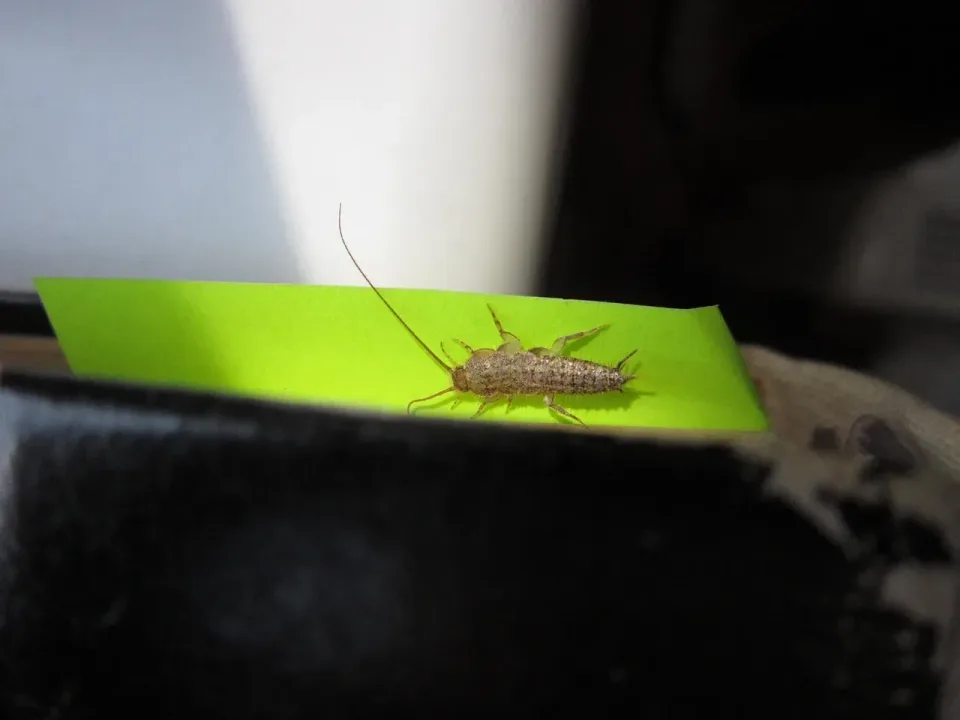
Our Silverfish Treatment starts with pest identification and a check of likely harborage, including tight spaces around plumbing and trim. We use targeted crack-and-crevice treatment where appropriate, following the product label rather than applying material broadly. The scope depends on what inspection reveals.
At Denali National Park and Preserve, visitors see a very different environment from a heated home; inside, silverfish can persist in protected spaces when conditions suit them. Chena Hot Springs is a reminder that Alaska properties span varied settings, so we assess each building rather than assume one treatment pattern fits all. Dillingham’s remote location can also make practical scheduling and clear access arrangements important for a service visit.
We explain our findings and discuss a treatment scope suited to the rooms involved. For a review, call (855) 681-0299.
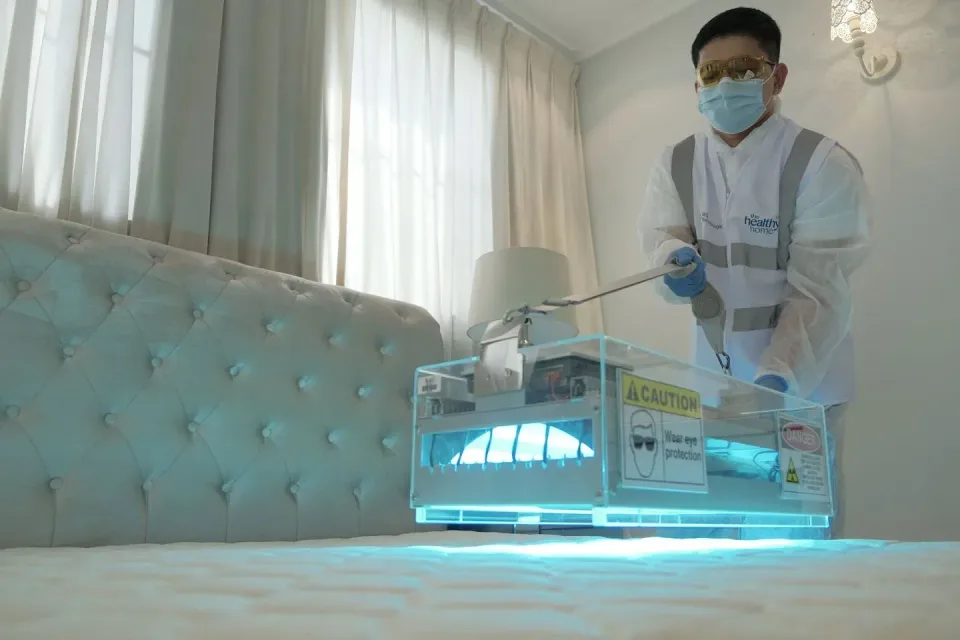
We begin by asking where silverfish have appeared and which rooms are accessible for inspection. Next, we examine likely harborage and confirm pest identification; a quick spray without this check can miss where activity is concentrated. We then explain the proposed treatment and any preparation needed, using label directions to guide application and reentry.
The schedule depends on the area to inspect and the treatment selected, so we confirm timing with you before work begins. In Fairbanks, winter conditions can affect travel and appointment planning, while Southeast Alaska’s frequent heavy rainfall may shape how customers assess damp areas around a home; neither replaces an indoor inspection.
The Alaska State Capitol is a useful point of reference for state services, but treatment questions are handled through a direct property review. We close by explaining what was treated and what to watch for afterward.
In Juneau, a silverfish sighting in a bathroom can prompt a quick store-bought spray, but the visible insect may not be the only activity to assess. A rushed application can miss narrow cracks or place product where it is not needed. We inspect first, identify the pest, and choose a targeted approach that respects occupied rooms.
That distinction matters in older buildings around the Anchorage Downtown Historic District, where careful attention to the actual room and finish can prevent unnecessary treatment. Near Seward, residents may have different access and building conditions than an urban customer, so we confirm the scope rather than assume.
Summer mosquitoes peak near wetlands and standing water, but that seasonal fact does not establish the cause of silverfish activity indoors; our crew focuses on the specific evidence in the home. The University of Alaska Fairbanks is a local educational landmark, and our practical advice is similarly evidence-led: show us the sighting area and we will explain the next step.
A few silverfish around one bathroom may need a different scope from activity found in several rooms. A typical treatment may fall around $150–$400, with the number of affected rooms and access to cracks or utility spaces shaping the work. More involved jobs can reach roughly $500 when inspection and treatment cover multiple areas; this is a planning range, not a fixed quote.
Summer warmth can increase insect activity, so a customer near Ted Stevens Anchorage International Airport may notice more movement during warmer periods and should report where sightings occur. At the University of Alaska Anchorage, campus buildings vary by use; the same principle applies at home, where room access and building layout influence scope.
Coastal communities often experience damp, windy conditions, so tell us about persistent damp areas rather than treating that as a diagnosis. The final quote varies with infestation, access, treatment method, and repair scope. Call (855) 681-0299 to review the job.
Yellowish marks on paper or fabric can be a sign of silverfish feeding or movement. Check stored materials and nearby surfaces for other clues, too. Note where the marks appear so a technician can consider the location during an inspection.
Ragged edges or scraped surfaces on paper goods can signal silverfish feeding. Check stored documents, cardboard, and books in undisturbed areas. Damage can have other causes, so point out the affected materials and surrounding conditions rather than assuming the pest.
Tiny dark droppings can be a sign of silverfish activity in a storage area. Look near paper goods and other sheltered spots, and avoid disturbing suspected evidence before an inspection. A technician can identify the pest before recommending treatment.
Wasilla homeowners can ask Alaska Pest Pros to review silverfish activity; Hatcher Pass reminds residents how changing local conditions shape property upkeep, while long, cold winters make freeze protection an important part of caring for the home, so call (855) 681-0299 for a scope review.
Yes, snow accumulation can block vents and exterior access, so clear a safe path to the areas scheduled for inspection without disturbing suspected harborage. Near Pioneer Park, properties may have different access layouts; share any blocked entry or service-area details when arranging the visit.
Yes, spring snowmelt can leave pooled water around foundations, so note where water collects and whether it remains after drainage. Near Wrangell–St. Elias National Park and Preserve, changing seasonal conditions make it sensible to describe the property’s specific water pattern rather than assume it explains indoor insects.
Yes, send photos of the room and the sighting area, and identify any access limits before scheduling. North Pole residents may have different travel and property logistics than customers near Fairbanks International Airport, so clear directions and access notes help us plan the visit.
Yes, pesticide use must follow EPA-approved product labels, including application and reentry directions; Alaska pesticide licensing is addressed under AS 46.03.320 and regulations under 18 AAC 90. Ask us which preparation and reentry instructions apply to the specific product used.
If silverfish return, note the room and date and check whether the same accessible area is involved, then ask Alaska Pest Pros to review the evidence and next steps. At Arctic National Wildlife Refuge, remote access is part of the setting; for a property visit, sharing access constraints early helps us plan a practical follow-up.
Select a city to find local pest control providers we cover in Alaska.