Mouse Extermination
Full mouse extermination for Alaska homes: inspection, trapping, and sealing entry gaps down to 1/4 inch. Typical jobs run $150–$500 depending on infestation size and repairs.
Slow, sluggish flies crowding sunny windows in late summer usually means cluster flies have moved into your wall voids. Alaska Pest Pros treats the attics, voids, and south-facing siding where they overwinter. We serve homes from coastal towns to the Interior with Alaska-specific timing.
Browse all service options available across Alaska and choose the right fit for your project.
Full mouse extermination for Alaska homes: inspection, trapping, and sealing entry gaps down to 1/4 inch. Typical jobs run $150–$500 depending on infestation size and repairs.
Rat Extermination for homes and commercial buildings includes inspection of access points and activity areas; scheduling around seasonal daylight and Soldotna conditions helps plan outdoor work.
Carpenter ant treatment for Juneau and Seward homes targets nest activity in wood; access to the nest and moisture damage affect the $200–$800 range. Near the Tony Knowles Coastal Trail, note damp exterior areas.
Full-room bed bug treatment for homes, rentals, and lodges inspection, targeted application, and follow-up visits, typically $500–$2,000 depending on rooms and method.
We track ant trails to the nest and treat with baits and crack-and-crevice applications; cost runs roughly $200–$800 depending on nest access and moisture damage.
We find and treat larvae sources, then apply a residual yard barrier so decks and patios stay usable. Pricing depends on acreage, water access, and visit count.
Wasp nest removal for rooflines, soffits, wall voids, and ground nests, priced $150-$500 depending on nest location and access. Serving Alaska homes and cabins.
Cockroach Treatment targets active harborage in kitchens and utility areas; jobs typically run $150–$600, depending on infestation severity and follow-up visits.
Spider Treatment for homes and rentals targets webs, harborage, and accessible cracks; typical jobs run $150–$400, depending on infestation size and access.
Flea Treatment targets indoor harborages in homes and rentals; a typical $200–$500 job depends on rooms and access. We coordinate across Alaska, including Kodiak and areas near Katmai National Park and Preserve and Ma...
Pantry Moth Treatment checks stored-food cupboards and nearby seams for activity; treatment scope and access determine the job cost.
We find and seal the gaps mice and rats use to enter Alaska homes foundations, siding, vents, and rooflines. Typical jobs run $300–$2,000 depending on openings, materials, and access.
Silverfish Treatment targets insects and harborage in bathrooms, utility areas, and cracks; typical jobs run $150–$400, with room count and access affecting cost.
Removes squirrels from attics and walls, then seals entry points and cleans nesting debris; cost moves with roof access and how many openings need repair.
Carpet beetle treatment for Alaska homes: inspection of rug edges, closets, and baseboard harborage, targeted residual application, follow-up checks. Typically $200–$600 depending on rooms and source.
Pest Inspection documents activity, access points, and likely harborage in homes or commercial spaces; scope and price depend on property size and access.
Bird Control covers nest removal, vent and soffit exclusion, and droppings cleanup for Alaska homes and businesses. Cost depends on species, nest height, and access.
Bat Exclusion seals accessible roofline and siding entry points for homeowners and property managers; typical jobs may run $300–$1,500, depending on height and access.
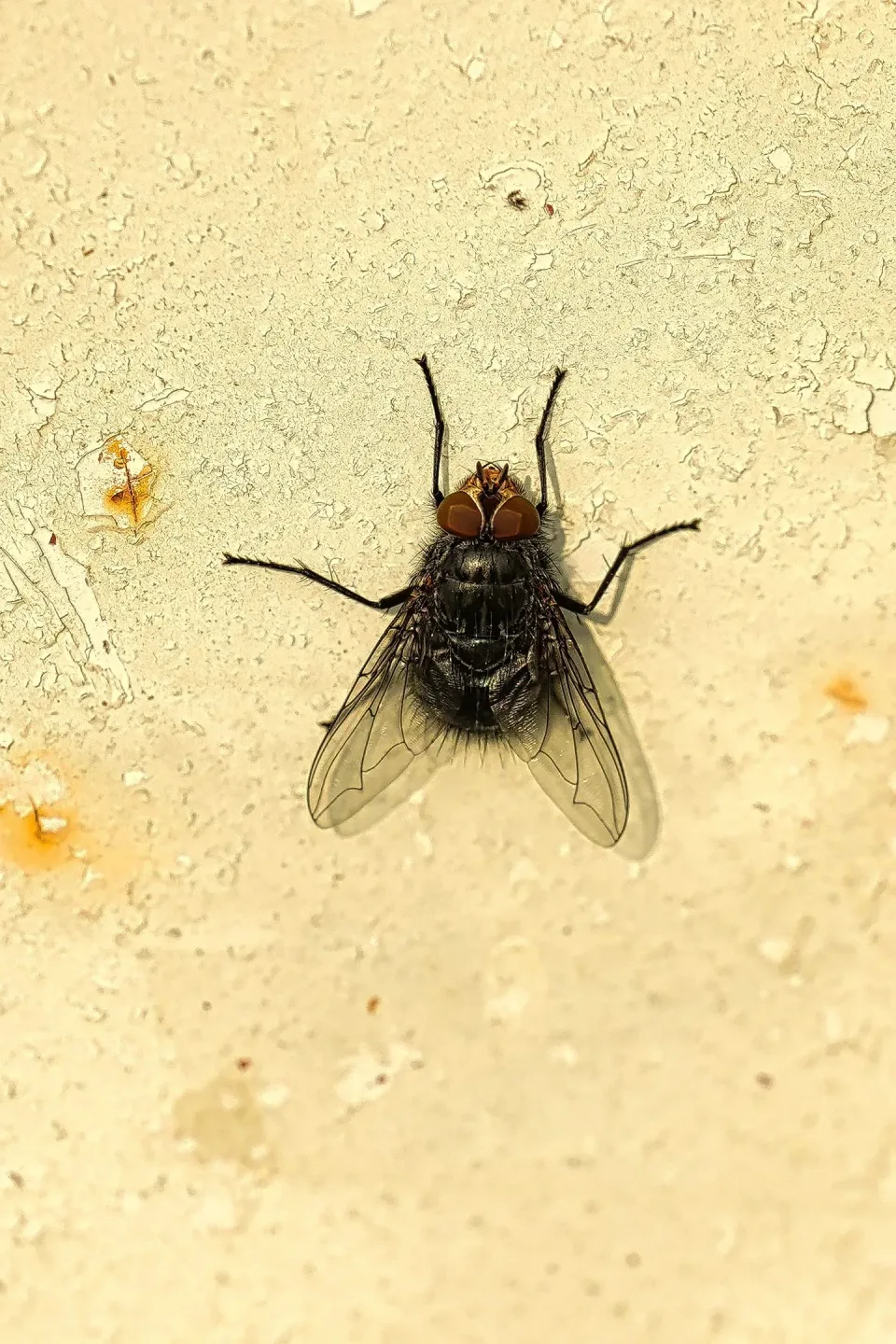
Cluster fly work is timing work. We apply a residual insecticide to south-facing siding, eaves, and attic voids before the first hard cold snap, because once the flies are sealed inside walls, sprays do little for you. As Alaska-certified pesticide applicators, we follow EPA-approved label directions for every product and document where each crack-and-crevice application went.
That short late-August-to-September window matters everywhere, but it behaves differently across the state. Older buildings in the Anchorage Downtown Historic District often have original clapboard, stone foundations, and decades of small gaps that cluster flies exploit, so those jobs need a longer exclusion walkthrough before we spray. In Juneau, the rainforest climate breaks down residual products on damp walls much faster than in the Interior, so we plan an early-fall re-check there rather than assuming one application holds all winter.
If flies show up on your windows every warm day of winter, call Alaska Pest Pros at (855) 681-0299 and we will scope the timing for next season’s treatment.
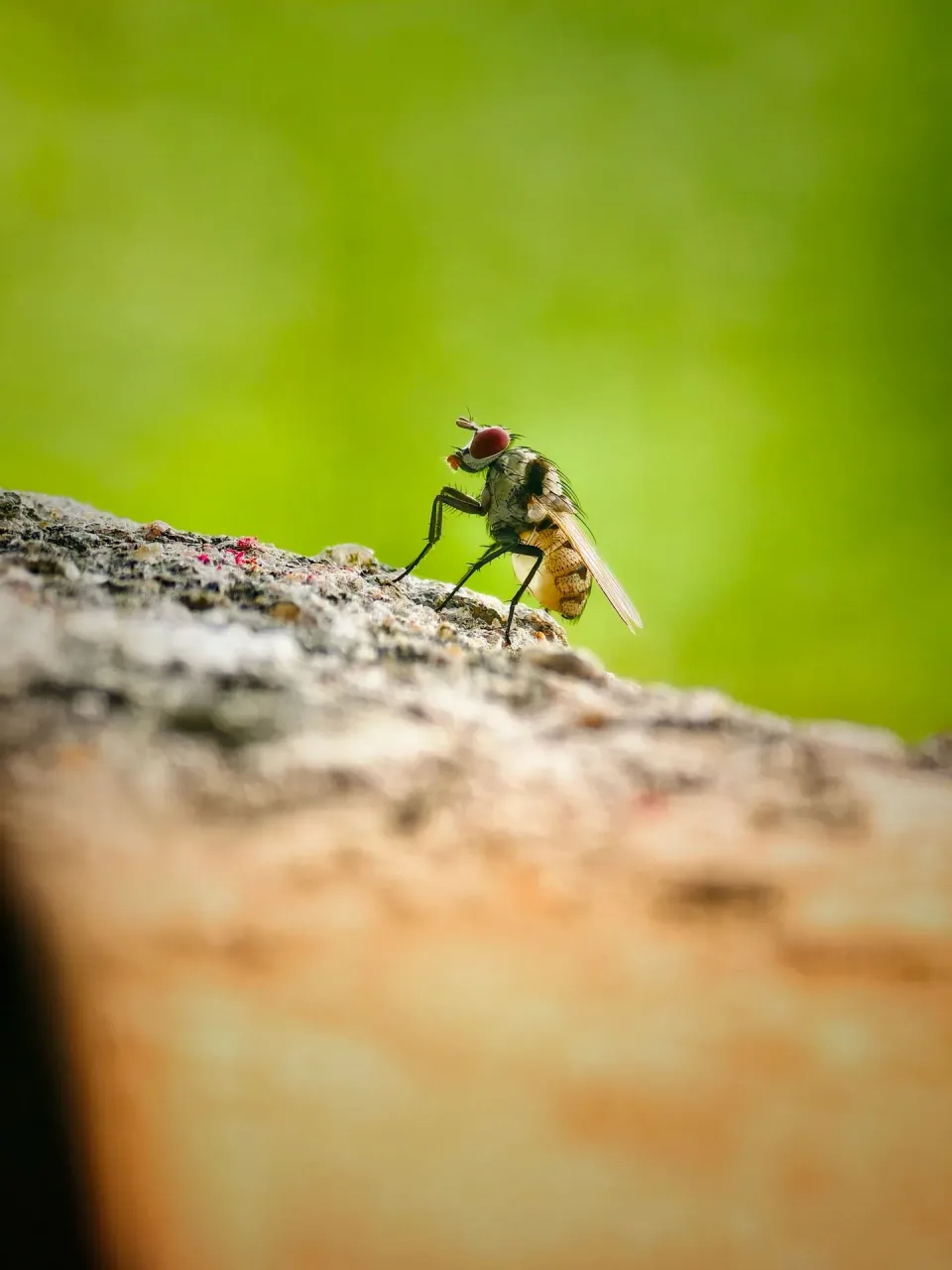
First contact starts with timing. We ask which windows the flies use and whether the activity is summer-born or winter-emerging, then set the exterior application for late summer before the cold drives swarms indoors. From Utqiaġvik to Dillingham, that window shifts with the season, so we confirm the date rather than guessing.
The visit itself runs in sequence:
Pest identification: we confirm the flies are cluster flies, not house flies, since treatments differ.
Perimeter treatment: a labeled residual spray on south and west siding, eaves, soffit gaps, and roofline entry points.
Attic and void work: crack-and-crevice application where flies congregate, keeping products inside EPA label directions.
Gap documentation: freeze-thaw cycles open foundation and siding gaps every year, so we list the openings worth sealing.
Most jobs finish in one visit. Re-emergence during winter warm spells is normal, and we explain what a follow-up should and should not include.
Yes, a store-bought spray kills the fly on your windowsill. It does nothing about the hundreds still resting inside the wall, and that gap is exactly what a trained crew closes.
Site exposure matters more than most homeowners expect. A cabin up Hatcher Pass or another wide-open valley lot takes the full force of the first hard freeze with no windbreak, which compresses the treatable window to days and punishes a missed application.
Homes near Fairbanks International Airport face the opposite edge: light, noise, and cleared open ground push more flying insects toward structures, so exclusion gaps that a house in town can tolerate become a yearly swarm source. We account for that when we time the spray and mark which gaps become next season’s exclusion project.
We also handle the paperwork DIY ignores. Every product we apply is used under FIFRA rules and the EPA-approved label, applied by applicators certified under Alaska’s licensing requirements. And we tell you honestly when a crawl into a tight roof space is not worth it and sealing the entry points is the better spend. One call before late summer beats three sprays in January.
Cluster fly pricing in Alaska comes down to three things: how much siding and roofline we treat, how many interior voids are involved, and travel. A single-story home in Palmer with one south-facing wall is a different job than a multi-story house in Kodiak, where salt air and wind shorten how long any residual holds.
Typical ranges we quote:
Single visit, one facade: roughly $175–$350, covering exterior residual plus the main attic void.
Whole-home void treatment: roughly $350–$700 when flies occupy attic spaces and multiple walls.
Seasonal plan with a fall and spring visit: roughly $400–$800, the better fit for homes with recurring annual pressure.
Remote or long-distance properties: add travel time; Nome and off-road-access homes cost more for the same square footage.
Permafrost movement and shifting foundations change entry points year to year, which is why we re-walk the perimeter instead of spraying the same map. Contact Alaska Pest Pros at (855) 681-0299 for a final quote matched to your building’s scope.
Dead flies at window sills are a common early sign of cluster flies. The flies enter wall voids to overwinter, then wander toward light and die at the glass. A slow trickle of bodies along the sill usually means a larger group is sheltering nearby in walls or the attic.
Flies reappearing in an attic or upper floor after you swat them usually means a larger overwintering group sits in the surrounding voids. Cluster flies return to the same structures repeatedly, so repeated attic activity is a sign the harborage itself needs treatment, not just the visible insects.
Alaska's seasons give you one real chance a year at cluster flies, and two forces shrink it further.
Late August through mid-September, before the first hard freeze drives swarms toward siding gaps. Once flies are inside wall voids for the winter, exterior sprays cannot reach them. We book that short window on purpose, and homes in colder Interior areas like Fairbanks need to move earlier than coastal towns.
Yes, in most cases we re-check after the first cold snap, the same way bed bug treatments may require follow-up inspections. Winter warm spells wake flies inside voids, and seeing a few stragglers does not mean the treatment failed. If counts keep rising after the second check, we look for an unsealed entry point instead of re-spraying blindly.
Yes. Pesticide use falls under FIFRA and every application must follow the EPA-approved product label, including reentry intervals. Our applicators hold Alaska pesticide applicator certification under AS 46.03.320, and we can provide the Safety Data Sheet for any product used in your home.
Yes, and it usually should be. Spraying kills this year’s flies, while exclusion closes the gaps they use next fall. Freeze-thaw cycles open new foundation and siding gaps every winter, so we pair each treatment with a written list of openings worth sealing before the next season.
Yes, that is expected, and here is why. Flies already inside your walls wake on warm, sunny days and crawl toward the light, so a few on the glass is leftover activity, not a new infestation. Vacuum them up, note which windows they use, and call Alaska Pest Pros to plan exterior treatment before next fall.
Select a city to find local pest control providers we cover in Alaska.