Mouse Extermination
Full mouse extermination for Alaska homes: inspection, trapping, and sealing entry gaps down to 1/4 inch. Typical jobs run $150–$500 depending on infestation size and repairs.
Scratching inside the walls after a cold snap usually means rodents found a gap the size of a dime. Alaska Pest Pros seals the entry points mice and rats actually use, from foundation cracks to roof gaps. We inspect first, explain the evidence, and quote the sealing work before anyone starts drilling or screening.
Browse all service options available across Alaska and choose the right fit for your project.
Full mouse extermination for Alaska homes: inspection, trapping, and sealing entry gaps down to 1/4 inch. Typical jobs run $150–$500 depending on infestation size and repairs.
Rat Extermination for homes and commercial buildings includes inspection of access points and activity areas; scheduling around seasonal daylight and Soldotna conditions helps plan outdoor work.
Carpenter ant treatment for Juneau and Seward homes targets nest activity in wood; access to the nest and moisture damage affect the $200–$800 range. Near the Tony Knowles Coastal Trail, note damp exterior areas.
Full-room bed bug treatment for homes, rentals, and lodges inspection, targeted application, and follow-up visits, typically $500–$2,000 depending on rooms and method.
We track ant trails to the nest and treat with baits and crack-and-crevice applications; cost runs roughly $200–$800 depending on nest access and moisture damage.
We find and treat larvae sources, then apply a residual yard barrier so decks and patios stay usable. Pricing depends on acreage, water access, and visit count.
Wasp nest removal for rooflines, soffits, wall voids, and ground nests, priced $150-$500 depending on nest location and access. Serving Alaska homes and cabins.
Cockroach Treatment targets active harborage in kitchens and utility areas; jobs typically run $150–$600, depending on infestation severity and follow-up visits.
Spider Treatment for homes and rentals targets webs, harborage, and accessible cracks; typical jobs run $150–$400, depending on infestation size and access.
Flea Treatment targets indoor harborages in homes and rentals; a typical $200–$500 job depends on rooms and access. We coordinate across Alaska, including Kodiak and areas near Katmai National Park and Preserve and Ma...
Pantry Moth Treatment checks stored-food cupboards and nearby seams for activity; treatment scope and access determine the job cost.
Silverfish Treatment targets insects and harborage in bathrooms, utility areas, and cracks; typical jobs run $150–$400, with room count and access affecting cost.
Cluster fly treatment for attics, wall voids, and sunny window zones, timed before fall swarming. Cost depends on home size and how many voids we treat.
Removes squirrels from attics and walls, then seals entry points and cleans nesting debris; cost moves with roof access and how many openings need repair.
Carpet beetle treatment for Alaska homes: inspection of rug edges, closets, and baseboard harborage, targeted residual application, follow-up checks. Typically $200–$600 depending on rooms and source.
Pest Inspection documents activity, access points, and likely harborage in homes or commercial spaces; scope and price depend on property size and access.
Bird Control covers nest removal, vent and soffit exclusion, and droppings cleanup for Alaska homes and businesses. Cost depends on species, nest height, and access.
Bat Exclusion seals accessible roofline and siding entry points for homeowners and property managers; typical jobs may run $300–$1,500, depending on height and access.
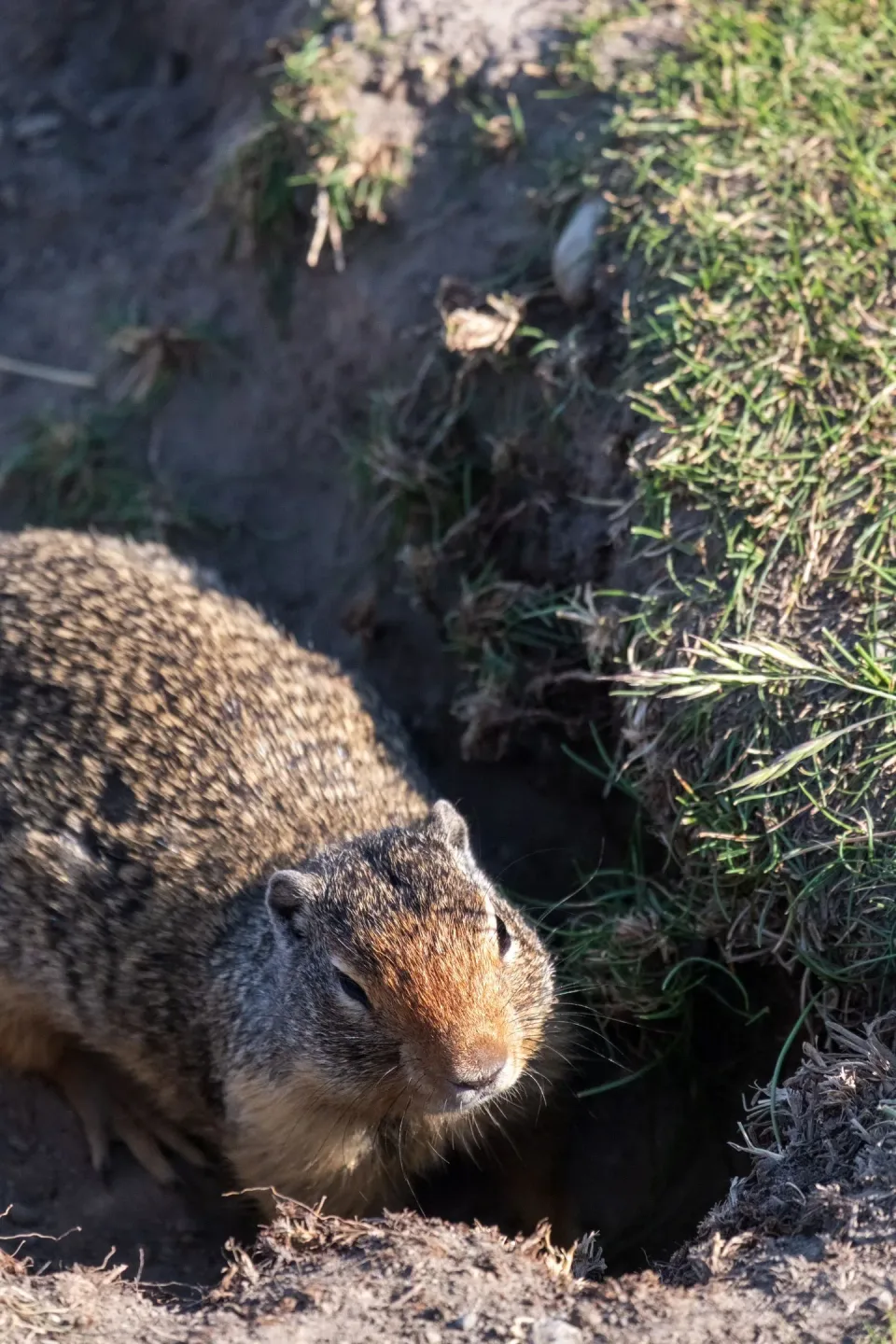
Rodent exclusion starts with measurement, not poison. A mouse needs a gap about 1/4 inch wide and a rat about 1/2 inch, so we inspect foundations, siding seams, vent screens, and door sweeps with that standard in mind before we seal anything. As an Alaska-certified applicator crew, we work under Integrated Pest Management (IPM) exclusion and harborage removal first, trapping where activity already exists.
Alaska conditions make this work different. Cold snaps may drive rodents indoors, so the sealing window matters as much as the materials a job finished in September holds better than one started mid-winter. We have done exclusion work from cabins near the Alaska Native Heritage Center out to communities like Barrow, where logistics and daylight shape the schedule.
If scratching has started inside your walls, call (855) 681-0299 for a scope review. We will tell you what we found, what it takes to seal it, and when to do it.
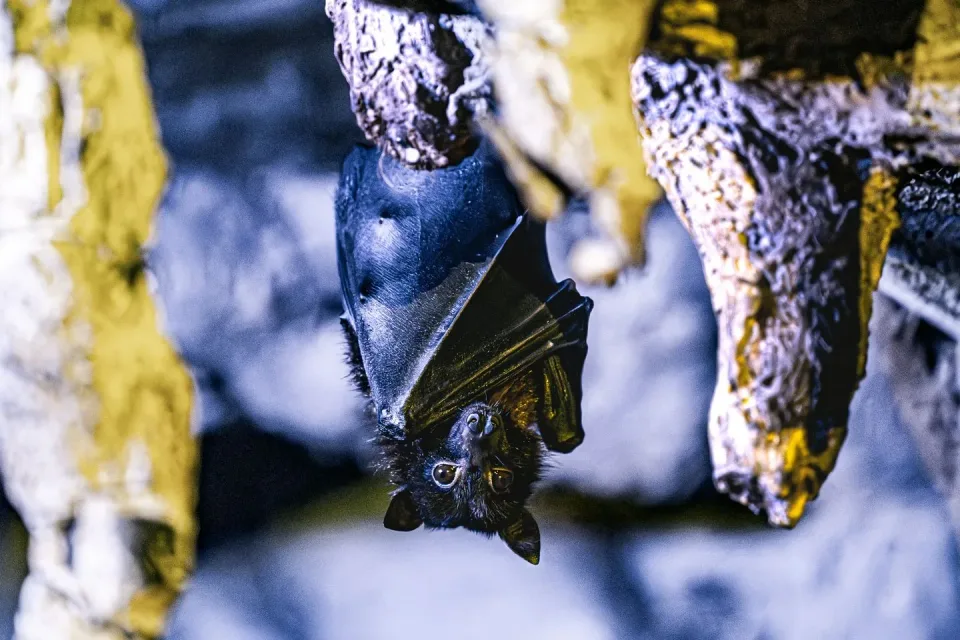
The first step is a full-perimeter inspection, and it happens before any material gets ordered. Here is the sequence we follow on a typical Alaska job:
Inspection and mapping: we document every opening to the 1/4-inch mouse standard, marking runway grease marks, droppings, and gnaw points so nothing gets sealed blind.
Activity check: if rodents are active, we set a snap trap or bait station cycle first snap traps require routine inspection and resetting, so we build that follow-up into the schedule rather than leaving traps unchecked.
Sealing: vents get screened, gaps get closed with rodent-resistant materials, and door sweeps and crawlspace access points get fitted.
Verification and monitoring: a monitoring station check confirms the building is holding before we call it done.
Timing matters across our state. Southeast Alaska receives frequent heavy rainfall, which can expose gaps around doors and windows faster than drier regions, and summer warmth can increase insect activity that widens small cracks further.
We schedule around your access from Fairbanks neighborhoods to jobs near Hatcher Pass and confirm every opening is closed. Call (855) 681-0299 to book the inspection that starts this sequence.
The most common DIY failure we see is a can of spray foam pushed into a gap. Rodents chew through it, and Interior Alaska’s colder, drier winters pull the foam apart as framing shrinks. A job done fast in November often fails before March.
What our crew does differently comes down to four things. First, we match material to location metal screening where rodents can reach, durable sealants where weather hammers the seam, which matters in damp, windy coastal communities like Ketchikan.
Second, we inspect on a 1/4-inch standard, so gaps a homeowner walks past get found and closed. Third, we verify the work with monitoring instead of assuming quiet means success.
Fourth, we give you a written scope every opening, every material before we start, so the quote matches the job.
We see the difference on every building we re-inspect, from Anchorage homes near the Anchorage Museum to cabins on the road toward Denali National Park and Preserve. If you have already tried foam and the scratching came back, that is the moment to bring in Alaska Pest Pros.
Rodent exclusion in Alaska typically runs $300–$2,000, and the range is wide for honest reasons. The three drivers are the number of openings, the materials each one needs, and the labor to reach them a crawlspace gap behind stored equipment takes longer than a clean foundation seam at grade.
Location affects the quote too. A property near Ted Stevens Anchorage International Airport is a same-day drive for our crew, while jobs in Juneau or out by the University of Alaska Anchorage’s farther reaches can carry travel time.
Older buildings, like some in the Anchorage Downtown Historic District, often have more layered construction, which adds inspection and sealing hours. We even plan around seasonal demand in towns like North Pole, where fall books out before the first hard freeze.
On every job we hand you the written scope first, so you know what the money buys. Contact Alaska Pest Pros for a final quote matched to your property call (855) 681-0299 and we will walk the openings with you.
Across pest control calls, the most common reasons people reach out are rodents, general pest control and ants.
The crew schedules an inspection, identifies the species and likely entry routes, and recommends targeted exclusion instead of a blanket treatment. Small openings get closed before the population grows, and the customer knows what to watch for and what to report at follow-up.
A technician walks the units, identifies the pest and the extent of the activity, and provides a clear written scope of what treatment and follow-up involve. The owner gets a plan they can compare, with reentry instructions and prep steps explained for tenants before any work is done.
A persistent musky smell in a closed room, crawlspace, or cabinet often points to rodent nesting. The odor lingers after the animals are gone, so locate the source before cleaning it up.
Insulation that looks tunnelled, packed down, or scattered in an attic or crawlspace is commonly used as nesting material. Disturbed spots also expose wiring and pipes, so have the area checked and the entry points closed.
Pantry droppings
Before: Droppings keep showing up on pantry shelves, and food packaging has chewed corners. The homeowner keeps wiping the shelves but the signs return within days.
After: A technician traces the activity to openings behind the cabinets and along an exterior wall, seals those gaps, and the shelves stay clean with food stored securely.
Pesticide application in Alaska requires a certified applicator. Ask about certification, insurance, and bonding so you know who is accountable on your property.
Indoor work goes better with baseboards cleared and food, dishes, and pet bowls secured. Ask for the prep list ahead of time so the visit starts on schedule.
Some situations need more than one visit. Ask how follow-up works, what you should report between visits, and what terms apply if activity continues.
In Alaska, timing matters.
A mouse passes through a gap about 1/4 inch wide, and a rat needs roughly 1/2 inch, so we seal everything to the quarter-inch standard. Alaska winter temperatures do not guarantee rodent-free buildings cold snaps push rodents toward warm structures, so tight seals matter more than the cold itself. If you can slide a pencil behind a pipe or vent, a mouse can follow it.
Wind-driven rain can expose gaps around doors and windows, and roof snowmelt can increase crawlspace moisture that warps seals and framing. Our monitoring stations check whether your building is still holding after each season. If activity returned, the first visit maps every reopened opening before we reseal.
Exclusion is mostly physical work, but when we do use products, FIFRA requires pesticide use to follow EPA-approved product labels, and our applicators are certified under Alaska’s pesticide program (AS 46.03.320, 18 AAC 90). We provide Safety Data Sheet information on request. Every application direction and reentry interval comes from the EPA label, not habit.
Yes, and it is often the efficient move if scratching at night and wasps entering through roof gaps are happening on the same building, the roofline access points overlap. We plan the exclusion and the treatment in one scope so you are not paying two crews to climb the same ladder. Tell us all the symptoms you have noticed when you call for the quote.
Take photos of the spots where you hear scratching or see droppings, and note which rooms and times of day the noise happens. Clear access to the crawlspace hatch, garage edges, and the exterior perimeter so we can inspect on the first visit. That preparation lets us give you a written scope and an accurate price the same day.
Select a city to find local pest control providers we cover in Alaska.