Mouse Extermination
Full mouse extermination for Alaska homes: inspection, trapping, and sealing entry gaps down to 1/4 inch. Typical jobs run $150–$500 depending on infestation size and repairs.
Starlings roosting in your soffit or gulls crowding a rooftop vent call for more than a scarecrow. Alaska Pest Pros handles Bird Control across Alaska with nest removal, exclusion screening, and droppings cleanup done to code. Our crew inspects first, then fixes the entry points birds actually use.
Browse all service options available across Alaska and choose the right fit for your project.
Full mouse extermination for Alaska homes: inspection, trapping, and sealing entry gaps down to 1/4 inch. Typical jobs run $150–$500 depending on infestation size and repairs.
Rat Extermination for homes and commercial buildings includes inspection of access points and activity areas; scheduling around seasonal daylight and Soldotna conditions helps plan outdoor work.
Carpenter ant treatment for Juneau and Seward homes targets nest activity in wood; access to the nest and moisture damage affect the $200–$800 range. Near the Tony Knowles Coastal Trail, note damp exterior areas.
Full-room bed bug treatment for homes, rentals, and lodges inspection, targeted application, and follow-up visits, typically $500–$2,000 depending on rooms and method.
We track ant trails to the nest and treat with baits and crack-and-crevice applications; cost runs roughly $200–$800 depending on nest access and moisture damage.
We find and treat larvae sources, then apply a residual yard barrier so decks and patios stay usable. Pricing depends on acreage, water access, and visit count.
Wasp nest removal for rooflines, soffits, wall voids, and ground nests, priced $150-$500 depending on nest location and access. Serving Alaska homes and cabins.
Cockroach Treatment targets active harborage in kitchens and utility areas; jobs typically run $150–$600, depending on infestation severity and follow-up visits.
Spider Treatment for homes and rentals targets webs, harborage, and accessible cracks; typical jobs run $150–$400, depending on infestation size and access.
Flea Treatment targets indoor harborages in homes and rentals; a typical $200–$500 job depends on rooms and access. We coordinate across Alaska, including Kodiak and areas near Katmai National Park and Preserve and Ma...
Pantry Moth Treatment checks stored-food cupboards and nearby seams for activity; treatment scope and access determine the job cost.
We find and seal the gaps mice and rats use to enter Alaska homes foundations, siding, vents, and rooflines. Typical jobs run $300–$2,000 depending on openings, materials, and access.
Silverfish Treatment targets insects and harborage in bathrooms, utility areas, and cracks; typical jobs run $150–$400, with room count and access affecting cost.
Cluster fly treatment for attics, wall voids, and sunny window zones, timed before fall swarming. Cost depends on home size and how many voids we treat.
Removes squirrels from attics and walls, then seals entry points and cleans nesting debris; cost moves with roof access and how many openings need repair.
Carpet beetle treatment for Alaska homes: inspection of rug edges, closets, and baseboard harborage, targeted residual application, follow-up checks. Typically $200–$600 depending on rooms and source.
Pest Inspection documents activity, access points, and likely harborage in homes or commercial spaces; scope and price depend on property size and access.
Bat Exclusion seals accessible roofline and siding entry points for homeowners and property managers; typical jobs may run $300–$1,500, depending on height and access.
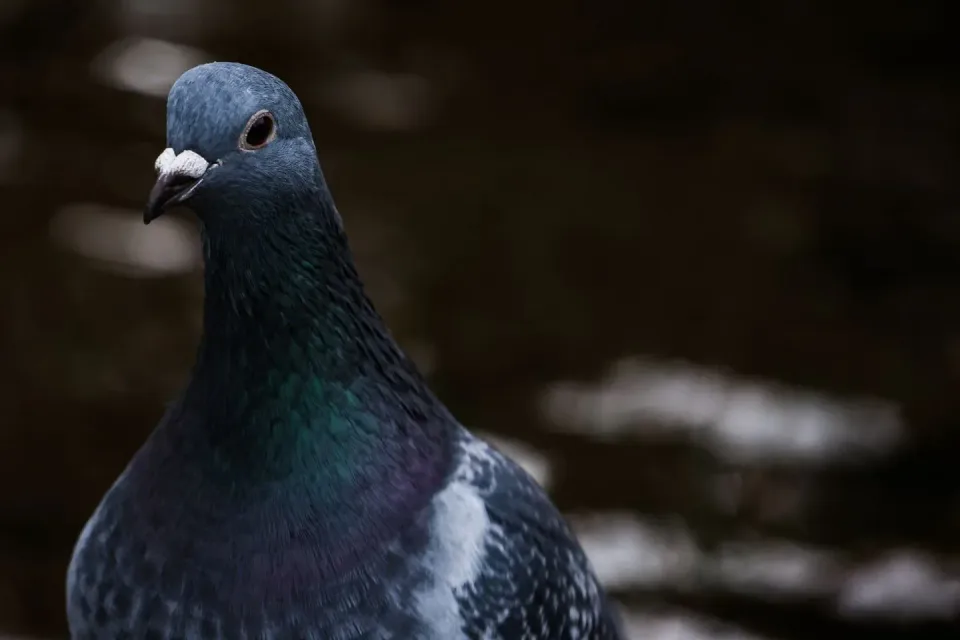
Bird Control starts with pest identification the species, the roost site, and whether young are present because that determines what we can legally do and when. Alaska has real-world reasons to take it seriously.
Around the Homer Spit, gulls and other seabirds pack onto rooftops, docks, and signs in dense colonies, and their droppings corrode metal and creosote-treated wood faster than most owners expect a roof that sat under a summer colony often needs the mess professionally removed before any exclusion work makes sense. And near places like Fairbanks International Airport, bird attractants around buildings are more than a nuisance: large roosts near flight paths draw wildlife-management attention, so property owners there are often required to discourage nesting rather than feed it.
We photograph the evidence, map the entry gaps, and build the plan around exclusion rather than guesswork. Every material and method follows the EPA pesticide product label and federal rules for covered bird species.
Send us a few photos or call (855) 681-0299 and we will scope the job before anyone gets on a ladder.
The inspection comes first. A technician walks the roofline, checks every vent, soffit gap, and ledge, and documents nesting activity including whether chicks are present, which changes the timeline because we wait for fledging on protected species before closing an opening. Alaska’s freeze-thaw cycles are usually the reason those gaps exist in the first place: water seeps into a seam, freezes, expands, and pries the opening a little wider each winter. That means a one-time patch often fails within a season or two, so we seal with materials rated for that same expansion cycle, not just a quick fix.
Next comes the targeted treatment plan. You get photos of each entry point, the recommended material (screening, ledge deterrents, or a one-way exit door), and a schedule. Coastal communities like Kodiak add another layer: salt air corrodes fasteners and loosens vent covers faster than inland, and damp conditions make ledge roosts attractive year-round, so we spec corrosion-resistant hardware there.
Then the exclusion work, done once. A final walkthrough confirms no birds remain inside before any gap is sealed closing a gap on trapped birds is the step an impatient job always skips.
We schedule a follow-up a few weeks out, since roost sites often try a second entry point nearby. Most single-home jobs wrap in one or two visits. Call (855) 681-0299 to get on the schedule.
A plastic owl glued to a railing stops working within days birds around Seward Harbor and every coastal community treat it as scenery, because those damp, windy conditions move deterrents and teach birds nothing. The real failure is simpler: homeowners seal a vent without confirming the nest is empty, trapping adults and chicks inside the wall.
The Migratory Bird Treaty Act protects covered bird species, so removing an active nest of the wrong species at the wrong time is a legal problem, not just a wildlife one. Our crew identifies the species first and times removal to the nesting calendar. Alaska Department of Fish and Game rules can apply to certain wildlife situations, and we know when they do.
We also do the step almost every DIY attempt skips: finding the second opening. Birds return to a roost through whichever gap was left snow accumulation can block vents and hide access points you never spotted, and spring snowmelt can leave pooled water that draws them to a compromised foundation line. We document every opening, close them in the right order, and give you a written scope before work starts.
One look at your eaves with a flashlight will tell you how bad it has gotten.
Bird Control pricing follows access and scale, not a flat rate. A ground-level vent exclusion costs far less than a three-story ledge job that needs lift time, and widespread droppings cleanup adds hours no one sees from the street. In towns like Palmer and Nome, travel distance and seasonal access shape the final number too.
Typical ranges we work from:
Single vent or small gap exclusion: roughly $150–$500, driven by roof height and how many openings need screening.
Nest removal plus cleanup: about $200–$600, depending on nest size and how long material has accumulated.
Whole-roofline exclusion with deterrents: $500–$1,500 or more, driven by linear feet, ledges, and access equipment.
Heavy droppings remediation: quoted per site after inspection, since volume and containment needs vary widely.
Permafrost movement can shift foundations and entry points over time, which is why we recheck previous exclusion work when we return. Alaska’s long, cold winters make freeze protection part of every repair plan we only use materials that survive the season.
Contact Alaska Pest Pros for a final quote matched to your actual job scope: (855) 681-0299.
Nesting material in vents usually shows up as twigs, grass, or feathers poking from a dryer, bath fan, or range hood outlet. Birds pick warm, sheltered openings, and a blocked vent also strains the appliance it serves.
Tapping on siding is often a woodpecker working on a wall for food, territory, or a roost spot. Repeated drilling leaves holes that let moisture into the sheathing, so it pays to have the area checked early.
Is it legal to remove a bird nest from my house in Alaska?
Yes, but timing and species matter. The Migratory Bird Treaty Act protects covered bird species, so an active nest with eggs or chicks generally has to wait until the young fledge before removal and exclusion. We identify the species first, then schedule removal legally and seal the entry point afterward.
How much does Bird Control cost for a vent or soffit nest?
Roof height, linear footage of gaps, droppings volume, and access equipment are the main drivers. We inspect first and quote the actual scope before any work begins.
What should I do before scheduling a Bird Control inspection?
Take photos of the roost area, droppings lines, and any visible entry gaps, and note roughly when the activity started. Mention nest height and whether you hear chirping inside walls or vents. That tells us whether we are planning a same-visit exclusion or a nesting-season wait.
Can Bird Control be combined with Pest Inspection or Bat Exclusion?
Yes birds, bats, and squirrels often use the same soffit and roofline gaps, so we inspect for all of them in one visit. Bundling the exclusion work saves ladder time and gets every opening closed in the same order. We document each finding separately so you know exactly what was found where.
Will the birds just come back after exclusion?
No, not through the sealed points but roosting birds often test a nearby gap within a few weeks, which is why we schedule a follow-up check. Every opening we find gets closed with screening or deterrents rated for Alaska winters, and the work follows EPA label directions where any product is used. If new activity shows up, we recheck and close it.
Bird problems in Alaska rarely stay contained.
Yes, but timing and species matter. The Migratory Bird Treaty Act protects covered bird species, so an active nest with eggs or chicks generally has to wait until the young fledge before removal and exclusion. We identify the species first, then schedule removal legally and seal the entry point afterward.
Roof height, linear footage of gaps, droppings volume, and access equipment are the main drivers. We inspect first and quote the actual scope before any work begins.
Take photos of the roost area, droppings lines, and any visible entry gaps, and note roughly when the activity started. Mention nest height and whether you hear chirping inside walls or vents. That tells us whether we are planning a same-visit exclusion or a nesting-season wait.
Yes birds, bats, and squirrels often use the same soffit and roofline gaps, so we inspect for all of them in one visit. Bundling the exclusion work saves ladder time and gets every opening closed in the same order. We document each finding separately so you know exactly what was found where.
No, not through the sealed points but roosting birds often test a nearby gap within a few weeks, which is why we schedule a follow-up check. Every opening we find gets closed with screening or deterrents rated for Alaska winters, and the work follows EPA label directions where any product is used. If new activity shows up, we recheck and close it.
Select a city to find local pest control providers we cover in Alaska.