Mouse Extermination
Full mouse extermination for Alaska homes: inspection, trapping, and sealing entry gaps down to 1/4 inch. Typical jobs run $150–$500 depending on infestation size and repairs.
That scratching you hear once the house goes quiet is usually a mouse or rat moving along a runway inside the wall cavity and in Anchorage it almost always means an entry point exists somewhere on the building. Rats need a gap of about 1/2 inch to squeeze through, which is roughly the width of your thumb.
Cold snaps push rodents indoors hard, and Alaska winter temperatures do not guarantee a rodent-free building, no matter how tight the construction. Our crew starts with rodent exclusion finding and sealing those openings before any trapping or rat removal work begins, because poison and traps alone just leave the entry open for the next rodent. Here is how we read the sounds.
Rodents are nocturnal, so the first hours after lights-out are when wall activity peaks. The pitch and location of the noise tell you a lot before anyone opens a wall.
Light, fast skittering in short bursts usually points to mice, which travel the same baseboard and wall-void routes night after night. Heavier, slower thumping or gnawing especially up in the ceiling near a vent stack points to rats, which chew through softer materials to enlarge openings.
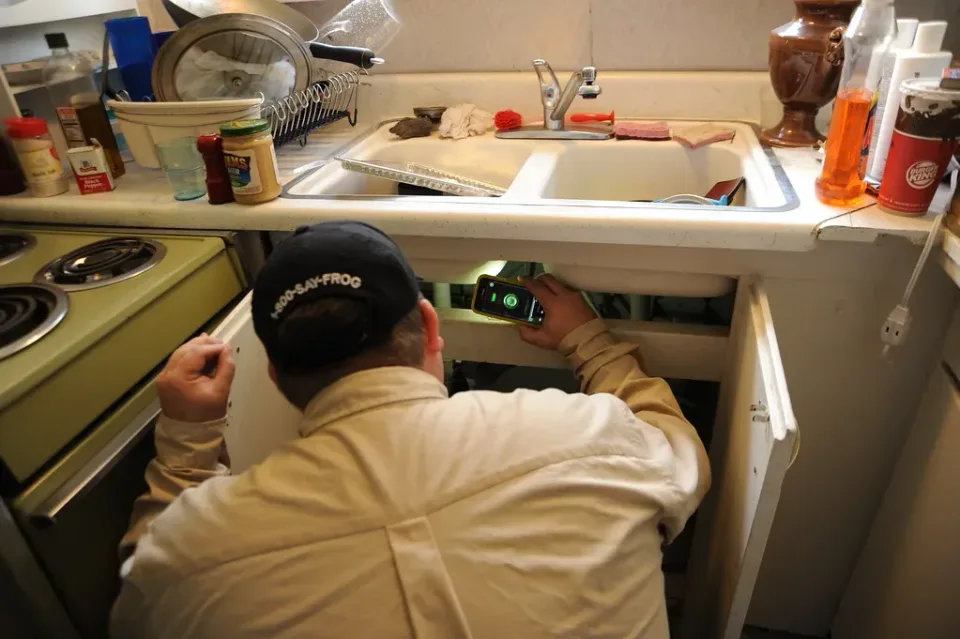
If the noise comes in from the exterior wall right at dusk and stops by midnight, you are likely hearing a commuter moving between a crawl space harborage and a food source. We use a borescope inspection camera during a pest inspection to confirm what is behind the surface instead of guessing from sound alone.
A few snap traps along a visible runway can knock down a single mouse, and that is a reasonable weekend project. The decision point is persistence: if you catch one and the scratching continues a week later, you have an active population with established entry routes, and DIY efforts typically fail because the openings stay open.
Trapping removes active rodents, but exclusion blocks the next ones. When noise comes from multiple rooms, or you find droppings in more than one area, it is time for a professional to map entry points and build a plan that combines trapping with sealing.
Alaska buildings take a beating. Freeze-thaw cycles open foundation and siding gaps, permafrost movement can shift foundations enough to widen hairline cracks, and snow accumulation blocks vents while hiding the very openings rodents use.
Anchorage homes near greenbelts think of the corridor along the Tony Knowles Coastal Trail see steady pressure from voles and mice as temperatures drop. Cold snaps are the biggest trigger; a 20-degree overnight drop sends every rat within a block probing your perimeter.
We check door sweeps, crawlspace access points, and gaps around plumbing penetrations during an Anchorage Alaska inspection, because those are the three spots we find open on most calls.
Rodents are the loudest complaint, but not the only one. Apartment buildings in Anchorage call us for bed bug treatment when residents report bites after sleeping, and a proper inspection matters before any room is treated.
Ant exterminator work is common in summer when trails appear along kitchen windows, and cluster flies show up inside houses in fall as they look for wall cavities to overwinter in the same voids rodents favor. Pantry moth treatment handles moths emerging inside stored-food cupboards, which are often mistaken for a rodent problem because both contaminate dry goods. Each needs a different treatment method, which is why identification comes first on every job.
Our process is straightforward: inspect, identify, exclude, then remove. We document evidence droppings, grease marks, chewed materials show you where the entry points are, and price the work before anything starts.
We follow EPA-approved product labels on every application, and follow-up visits are scheduled around the pest lifecycle rather than a fixed calendar. Snap traps we place require routine inspection and resetting, which we handle during those visits so you are not lifting trap covers yourself.
The right choice depends on whether you are removing rodents already inside or keeping new ones out. Here is how the common approaches compare:
| Option | Best for | Key detail |
|---|---|---|
| Rodent trapping | Small, active infestations | Snap traps capture rodents; bait stations contain rodenticide for safety around kids and pets |
| Rodent exclusion | Preventing repeat problems | Seals openings a door sweep clearance under 1/4 inch blocks mouse entry |
| Heat treatment | Whole-room insect infestations | Heat treatment raises room temperature; chemical treatment uses labeled products instead |
|---|---|---|
| Preventive pest inspection | Unexplained sounds, seasonal checkups | Confirms whether scratching is rodents, squirrels, or insects before you spend on treatment |
If the scratching is confirmed and recurring, pair trapping with exclusion one without the other invites the problem back by spring.
A homeowner in South Addition hears gnawing above the bedroom ceiling and suspects either a squirrel removal situation or rats in the attic. Both are handled differently, so the prep steps below help us identify the species before selecting treatment:
Note the schedule: Track when the noise starts and stops for two or three nights timing narrows the species list fast.
Clear access: Move items away from baseboards, and clear access beneath sinks and appliances where runways often pass.
Open the attic path: Identify attic and crawlspace access points so we can check insulation and nesting without delays.
Secure pets: Keep dogs and cats out of treatment areas; tamper-resistant bait stations help, but separation is better.
Report history: Tell us about any recent pesticide use or prior trapping so we read the evidence correctly.
Plan follow-up: We schedule return visits based on the pest lifecycle bat exclusion and rodent work both need a recheck after sealing.
Ask us what evidence we found before any treatment begins; a good explanation is part of the quote.
FAQ section
No daytime quiet is normal rodent behavior, not a sign they departed. Rats and mice are nocturnal and rest in wall-void harborage during daylight hours. If droppings keep appearing near pantry shelves or gnaw marks grow, the population is still active and exclusion plus trapping is the reliable fix.
Mouse treatment typically runs $150–$500, depending on infestation size and how much entry repair the building needs. If the job expands into full rodent exclusion sealing multiple openings around the foundation, vents, and door sweeps costs range from $300–$2,000 based on openings, materials, and labor. We quote after the inspection so you know the scope up front.
Yes, for a single mouse caught within the first week set snap traps along the runway where you heard the noise. Once scratching persists past that, you likely have multiple rodents using entry points a 1/4-inch gap can accommodate, and DIY trapping alone leaves those openings open. Alaska Pest Pros combines trapping with exclusion so the cycle stops, not just the current mouse.
Yes, heavily. Under FIFRA, all pesticide use must follow EPA-approved product labels, and rodenticide must be placed in tamper-resistant bait stations where required.
Applicators in Alaska must hold certification under AS 46.03.320, and applications are governed by 18 AAC 90 regulations administered through the Alaska Department of Environmental Conservation pesticide program. We follow those label directions on every job.
Possibly heavier daytime thumping and loud gnawing in attic spaces often points to squirrel removal work rather than rat extermination. Squirrels are more active at dawn and dusk, while rats move later at night. Alaska wildlife take rules may apply to squirrels handled under Alaska Department of Fish and Game authority, so a professional inspection first keeps the removal legal and targeted.
Night noise is a signal worth acting on quickly a mouse only needs a gap of about 1/4 inch, and Alaska winter temperatures will never freeze a rodent problem away. If you have already found droppings near pantry shelves, or bites after sleeping suggest something other than rodents, the same inspection process applies. Here is the path:
Confirm the source: A pest inspection tells you whether it is mice, rats, or another invader before treatment dollars are spent.
Seal first: Exclusion work including mouse extermination anchorage homes routinely need prevents the next generation of intruders.
Remove and monitor: Snap traps with enclosed covers clear the active population, with routine checks on our follow-up visits.
Alaska Pest Pros serves Anchorage, including the Anchorage Downtown Historic District and surrounding neighborhoods, with clear findings and practical fixes. Call (855) 681-0299 for a quote, or see our Mouse Extermination page to learn more.
No daytime quiet is normal rodent behavior, not a sign they departed. Rats and mice are nocturnal and rest in wall-void harborage during daylight hours. If droppings keep appearing near pantry shelves or gnaw marks grow, the population is still active and exclusion plus trapping is the reliable fix.
Mouse treatment typically runs $150–$500, depending on infestation size and how much entry repair the building needs. If the job expands into full rodent exclusion sealing multiple openings around the foundation, vents, and door sweeps costs range from $300–$2,000 based on openings, materials, and labor. We quote after the inspection so you know the scope up front.
Yes, for a single mouse caught within the first week set snap traps along the runway where you heard the noise. Once scratching persists past that, you likely have multiple rodents using entry points a 1/4-inch gap can accommodate, and DIY trapping alone leaves those openings open. Alaska Pest Pros combines trapping with exclusion so the cycle stops, not just the current mouse.
Yes, heavily. Under FIFRA, all pesticide use must follow EPA-approved product labels, and rodenticide must be placed in tamper-resistant bait stations where required.
Applicators in Alaska must hold certification under AS 46.03.320, and applications are governed by 18 AAC 90 regulations administered through the Alaska Department of Environmental Conservation pesticide program. We follow those label directions on every job.
Possibly heavier daytime thumping and loud gnawing in attic spaces often points to squirrel removal work rather than rat extermination. Squirrels are more active at dawn and dusk, while rats move later at night. Alaska wildlife take rules may apply to squirrels handled under Alaska Department of Fish and Game authority, so a professional inspection first keeps the removal legal and targeted.
Browse all nationwide service options and choose the right fit for your project.
Full mouse extermination for Alaska homes: inspection, trapping, and sealing entry gaps down to 1/4 inch. Typical jobs run $150–$500 depending on infestation size and repairs.
Rat Extermination for homes and commercial buildings includes inspection of access points and activity areas; scheduling around seasonal daylight and Soldotna conditions helps plan outdoor work.
Carpenter ant treatment for Juneau and Seward homes targets nest activity in wood; access to the nest and moisture damage affect the $200–$800 range. Near the Tony Knowles Coastal Trail, note damp exterior areas.
Full-room bed bug treatment for homes, rentals, and lodges inspection, targeted application, and follow-up visits, typically $500–$2,000 depending on rooms and method.
We track ant trails to the nest and treat with baits and crack-and-crevice applications; cost runs roughly $200–$800 depending on nest access and moisture damage.
We find and treat larvae sources, then apply a residual yard barrier so decks and patios stay usable. Pricing depends on acreage, water access, and visit count.
Wasp nest removal for rooflines, soffits, wall voids, and ground nests, priced $150-$500 depending on nest location and access. Serving Alaska homes and cabins.
Cockroach Treatment targets active harborage in kitchens and utility areas; jobs typically run $150–$600, depending on infestation severity and follow-up visits.
Spider Treatment for homes and rentals targets webs, harborage, and accessible cracks; typical jobs run $150–$400, depending on infestation size and access.
Flea Treatment targets indoor harborages in homes and rentals; a typical $200–$500 job depends on rooms and access. We coordinate across Alaska, including Kodiak and areas near Katmai National Park and Preserve and Ma...
Pantry Moth Treatment checks stored-food cupboards and nearby seams for activity; treatment scope and access determine the job cost.
We find and seal the gaps mice and rats use to enter Alaska homes foundations, siding, vents, and rooflines. Typical jobs run $300–$2,000 depending on openings, materials, and access.
Silverfish Treatment targets insects and harborage in bathrooms, utility areas, and cracks; typical jobs run $150–$400, with room count and access affecting cost.
Cluster fly treatment for attics, wall voids, and sunny window zones, timed before fall swarming. Cost depends on home size and how many voids we treat.
Removes squirrels from attics and walls, then seals entry points and cleans nesting debris; cost moves with roof access and how many openings need repair.
Carpet beetle treatment for Alaska homes: inspection of rug edges, closets, and baseboard harborage, targeted residual application, follow-up checks. Typically $200–$600 depending on rooms and source.
Pest Inspection documents activity, access points, and likely harborage in homes or commercial spaces; scope and price depend on property size and access.
Bird Control covers nest removal, vent and soffit exclusion, and droppings cleanup for Alaska homes and businesses. Cost depends on species, nest height, and access.
Bat Exclusion seals accessible roofline and siding entry points for homeowners and property managers; typical jobs may run $300–$1,500, depending on height and access.
Select a city to find local pest control providers we cover in Alaska.
Share your job scope for pest control in Alaska — we will review fit and pricing before scheduling.