Mouse Extermination
Full mouse extermination for Alaska homes: inspection, trapping, and sealing entry gaps down to 1/4 inch. Typical jobs run $150–$500 depending on infestation size and repairs.
You wake up with itchy welts in a line across your arm and the first thing you wonder is whether your mattress is harboring bed bugs. The answer is usually written on the mattress itself, and a careful ten-minute check will tell you more than any guess. Bed bug evidence shows up as fecal spotting along piping and seams long before you ever see a live insect, which is why the mattress check matters.
Bed bug eggs are about 1 millimeter wide, so you are looking for tiny pale specks, dark smears, and shed skins, not a visible swarm. If you are a renter near the University of Alaska Fairbanks campus or a homeowner anywhere in Alaska, request accommodation before technician arrival if anyone in the household has mobility or health needs we plan the inspection around it. Alaska Pest Pros starts every bed bug treatment call with the same mattress exam we describe below.
Bed bugs travel. They ride in luggage from a summer stay near Kenai Fjords National Park, in used furniture picked up in Anchorage, even in a roommate’s duffel from a semester at the University of Alaska Anchorage. What they do not do is stay hidden forever. Here is how we teach homeowners to inspect a mattress, and when to stop inspecting and call for bed bug treatment.
Start with the seams and piping, then the box spring, then the headboard. Fecal spotting looks like small ink stains that smear slightly when touched with a damp cloth that smear test is the one step people skip, and it is what separates bed bug stains from harmless specks.
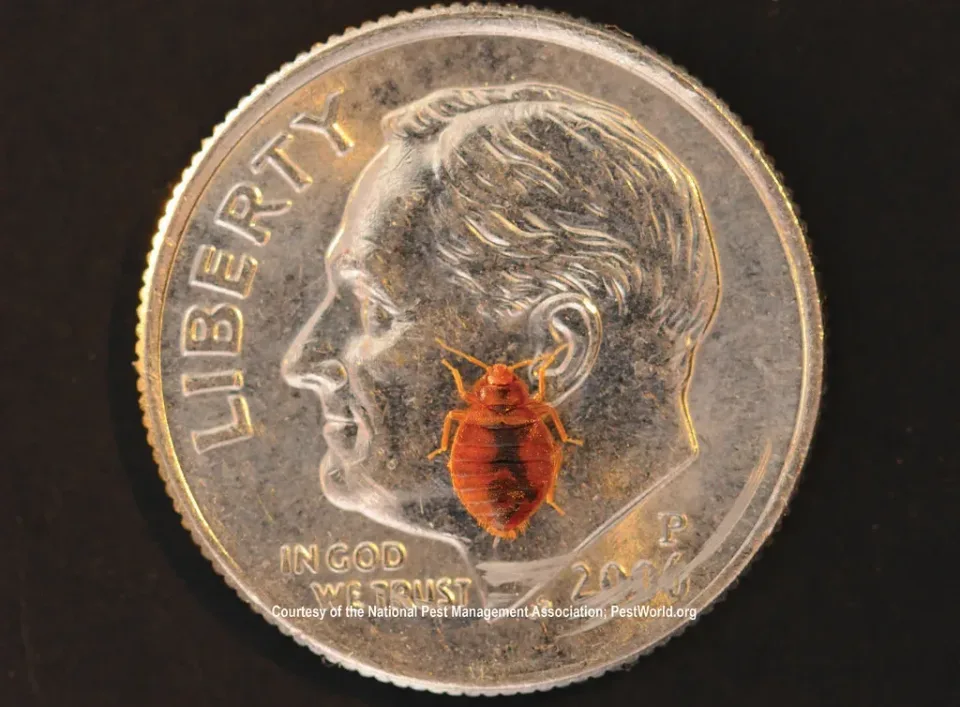
You may also find translucent shed skins and eggs about 1 millimeter in size tucked into tufting folds. Live insects are flat, reddish-brown, and apple-seed sized. Check the underside of the box spring too, especially where the dust cover meets the frame.
Yes, and the cold is irrelevant indoors. Interior Alaska has colder, drier winters, and Southeast Alaska receives frequent heavy rainfall, but neither climate reaches a heated bedroom. Bed bugs thrive inside tightly sealed, well-insulated buildings because the indoor temperature never drops enough to slow them.
Long Alaska winters mean people travel less in some months, yet a single January trip through Ted Stevens Anchorage International Airport can bring them home. We treat bed bug cases in every season.
No, not once you confirm evidence. Over-the-counter sprays kill exposed insects but rarely reach the harborage points inside box springs, bed frames, and baseboard gaps. Eggs hatch within 6–10 days, which means a single spray application misses the next generation entirely.
Professional bed bug treatment works because it is timed to that lifecycle and paired with follow-up inspections. DIY is reasonable only for the inspection and for reducing clutter around the bed skip the bug bombs, which scatter bugs deeper into walls.
A one-bedroom apartment caught early sits at the low end; a multi-room case found after months of bites does not. Entry-point sealing before repeat treatment matters in shared-wall buildings, since untreated adjacent units can reseed the problem. When you call, ask what the quote includes rooms, method, and follow-up visits so you are comparing the same scope.
Every job starts with a detailed inspection of the bed, surrounding furniture, and baseboards, not a spray-first visit. We document what we find, explain the treatment plan, and schedule follow-ups around the egg hatch window.
Bed bugs spread through units in apartments near the Alaska Native Heritage Center and through lodges serving visitors headed to Wrangell–St. Elias National Park and Preserve the same way one room at a time.
Early confirmation is what keeps a small problem from becoming a building problem. If your mattress check turns up spotting, skins, or live insects, stop sleeping in other rooms to avoid carrying them with you, and get a professional opinion.
More seasonal guides live on the Alaska Pest Pros Blog, including our piece on why silverfish appear near bathroom drains.
Once bed bugs are confirmed, the method decision usually comes down to heat, chemical application, or a combination, and the right answer depends on room count, clutter, and how quickly you need the space back. A long, cold Alaska winter gives you no help here the treatment happens at room temperature, so freeze protection for exposed plumbing is a separate concern during winter prep, not part of the bed bug plan itself.
Here is how the common options compare. Whether you are in Anchorage or Barrow (Utqiaġvik), the inspection findings should drive the choice, not the other way around.
| Option | Best for | Key detail |
|---|---|---|
| Heat treatment | Single-room, fast turnaround | Room raised to lethal temperature; no residues left behind |
| Insecticide application | Multi-room or cluttered units | Uses labeled products; timed to the 6–10 day egg hatch window |
| Preventive pest inspection | Travelers, renters, hosts | Confirms activity before spending on treatment |
| Property maintenance program | Landlords, lodges, short-term rentals | Scheduled monitoring catches reintroductions early |
Heat clears a room in one visit but struggles to reach cold pockets inside thick furniture. Insecticide work costs less per room but needs the repeat visits built into the plan. Either way, a property maintenance program keeps the follow-up from falling through the cracks.
Preparation is half the outcome on a bed bug job. We provide accessible appointment communication from first call through follow-up, so you always know what to do next, and our written prep list follows the same sequence whether the property is a cabin outside Juneau or an apartment above a shop in the Anchorage Downtown Historic District near the Anchorage Museum.
A note on history: L. O.
Howard, the American entomology pioneer, wrote about bed bugs over a century ago, and his advice find the harborage first still holds. If you manage multiple units, we build procurement-ready service proposals so treatment scope and costs are documented before work begins.
Confirm the evidence: Photograph or bag any skins, spotting, or insects you found so the technician sees your findings, not just ours.
Reduce clutter around the bed: Pull items at least a foot from baseboards so crack-and-crevice work reaches the frame and seams.
Launder fabric on hot: Bag bedding and clothing, wash hot, and dry on high heat before the visit.
Do not move furniture to other rooms: Moving an infested mattress spreads bugs to clean spaces.
Secure pets and food: Remove pet bowls, cover aquariums, and plan for people and animals to stay out per the product label’s reentry interval.
Plan the follow-up: Bed bug eggs hatch within 6–10 days, so the second visit is scheduled, not optional.
FAQ section
No store sprays kill exposed bugs but rarely reach the harborage where eggs are laid. Because bed bug eggs hatch within 6–10 days, a single application misses the next generation and the infestation rebounds. Professional bed bug treatment times repeat visits to that hatch window, and our technicians use targeted product application at seams, frames, and baseboard gaps rather than broadcast spraying. DIY inspection is useful; DIY treatment usually costs more in the long run.
Bed bug treatment typically runs $500–$2,000, depending on the number of rooms, the treatment method, and how many repeat visits the case requires. A single bedroom caught early sits at the low end, while a multi-room unit found after months of bed bug bites after sleeping lands higher. We quote rooms, method, and follow-ups in writing before work starts, so the final number reflects the plan rather than a guess.
I call for bed bug treatment?
Yes, fecal spotting along seams is confirmation enough to schedule an inspection. The dark stains that smear slightly when dampened are digested blood and indicate bed bugs have been feeding, even if you never see one alive. Eggs about 1 millimeter in size hide in tufting and box spring folds, which is why a professional check with a borescope inspection camera finds what a flashlight misses. Alaska Pest Pros will confirm the evidence and lay out the options.
Yes under FIFRA, pesticide use must follow EPA-approved product labels, and Alaska adds its own layer. Bed bug treatment in Alaska is governed by 18 AAC 90, and applicators must hold Alaska pesticide applicator certification under AS 46.03.320 through the Alaska Department of Environmental Conservation pesticide program. Label directions also control how long occupants must stay out of a treated room. We follow the EPA pesticide product label on every job and can walk you through the reentry interval before we start.
Yes, a pest inspection is the smart next step when bites appear after a trip. Bed bugs ride home in luggage and can spread from your bedroom to neighboring units in shared-wall buildings, so an inspection documents whether the problem is contained. Our pre-treatment preparation checklist also covers what to do before any treatment, and we keep service records for property teams managing several units. If evidence shows up beyond the bedroom, we will say so plainly and quote the full scope.
You checked the seams, you found the spotting or the eggs about a millimeter wide, and now the question is speed. Bed bug eggs hatch within 6–10 days, so waiting a month to see if it gets better is how a one-room problem becomes a building problem cold snaps may drive rodents indoors, but bed bugs never leave a heated room on their own.
Whether you are in Fairbanks, a lodge near Glacier Bay National Park and Preserve, or a coastal town like Seward by Seward Harbor, the next step is the same: a documented inspection and a treatment plan built around follow-up visits. This is not an emergency that requires panic, but it does require a schedule.
Call Alaska Pest Pros at (855) 681-0299 or request a quote through our bed bug treatment page, and we will inspect, explain the evidence, and tell you plainly what the plan costs.
No store sprays kill exposed bugs but rarely reach the harborage where eggs are laid. Because bed bug eggs hatch within 6–10 days, a single application misses the next generation and the infestation rebounds. Professional bed bug treatment times repeat visits to that hatch window, and our technicians use targeted product application at seams, frames, and baseboard gaps rather than broadcast spraying. DIY inspection is useful; DIY treatment usually costs more in the long run.
Bed bug treatment typically runs $500–$2,000, depending on the number of rooms, the treatment method, and how many repeat visits the case requires. A single bedroom caught early sits at the low end, while a multi-room unit found after months of bed bug bites after sleeping lands higher. We quote rooms, method, and follow-ups in writing before work starts, so the final number reflects the plan rather than a guess.
Yes, fecal spotting along seams is confirmation enough to schedule an inspection. The dark stains that smear slightly when dampened are digested blood and indicate bed bugs have been feeding, even if you never see one alive. Eggs about 1 millimeter in size hide in tufting and box spring folds, which is why a professional check with a borescope inspection camera finds what a flashlight misses. Alaska Pest Pros will confirm the evidence and lay out the options.
Yes under FIFRA, pesticide use must follow EPA-approved product labels, and Alaska adds its own layer. Bed bug treatment in Alaska is governed by 18 AAC 90, and applicators must hold Alaska pesticide applicator certification under AS 46.03.320 through the Alaska Department of Environmental Conservation pesticide program. Label directions also control how long occupants must stay out of a treated room. We follow the EPA pesticide product label on every job and can walk you through the reentry interval before we start.
Yes, a pest inspection is the smart next step when bites appear after a trip. Bed bugs ride home in luggage and can spread from your bedroom to neighboring units in shared-wall buildings, so an inspection documents whether the problem is contained. Our pre-treatment preparation checklist also covers what to do before any treatment, and we keep service records for property teams managing several units. If evidence shows up beyond the bedroom, we will say so plainly and quote the full scope.
Browse all nationwide service options and choose the right fit for your project.
Full mouse extermination for Alaska homes: inspection, trapping, and sealing entry gaps down to 1/4 inch. Typical jobs run $150–$500 depending on infestation size and repairs.
Rat Extermination for homes and commercial buildings includes inspection of access points and activity areas; scheduling around seasonal daylight and Soldotna conditions helps plan outdoor work.
Carpenter ant treatment for Juneau and Seward homes targets nest activity in wood; access to the nest and moisture damage affect the $200–$800 range. Near the Tony Knowles Coastal Trail, note damp exterior areas.
Full-room bed bug treatment for homes, rentals, and lodges inspection, targeted application, and follow-up visits, typically $500–$2,000 depending on rooms and method.
We track ant trails to the nest and treat with baits and crack-and-crevice applications; cost runs roughly $200–$800 depending on nest access and moisture damage.
We find and treat larvae sources, then apply a residual yard barrier so decks and patios stay usable. Pricing depends on acreage, water access, and visit count.
Wasp nest removal for rooflines, soffits, wall voids, and ground nests, priced $150-$500 depending on nest location and access. Serving Alaska homes and cabins.
Cockroach Treatment targets active harborage in kitchens and utility areas; jobs typically run $150–$600, depending on infestation severity and follow-up visits.
Spider Treatment for homes and rentals targets webs, harborage, and accessible cracks; typical jobs run $150–$400, depending on infestation size and access.
Flea Treatment targets indoor harborages in homes and rentals; a typical $200–$500 job depends on rooms and access. We coordinate across Alaska, including Kodiak and areas near Katmai National Park and Preserve and Ma...
Pantry Moth Treatment checks stored-food cupboards and nearby seams for activity; treatment scope and access determine the job cost.
We find and seal the gaps mice and rats use to enter Alaska homes foundations, siding, vents, and rooflines. Typical jobs run $300–$2,000 depending on openings, materials, and access.
Silverfish Treatment targets insects and harborage in bathrooms, utility areas, and cracks; typical jobs run $150–$400, with room count and access affecting cost.
Cluster fly treatment for attics, wall voids, and sunny window zones, timed before fall swarming. Cost depends on home size and how many voids we treat.
Removes squirrels from attics and walls, then seals entry points and cleans nesting debris; cost moves with roof access and how many openings need repair.
Carpet beetle treatment for Alaska homes: inspection of rug edges, closets, and baseboard harborage, targeted residual application, follow-up checks. Typically $200–$600 depending on rooms and source.
Pest Inspection documents activity, access points, and likely harborage in homes or commercial spaces; scope and price depend on property size and access.
Bird Control covers nest removal, vent and soffit exclusion, and droppings cleanup for Alaska homes and businesses. Cost depends on species, nest height, and access.
Bat Exclusion seals accessible roofline and siding entry points for homeowners and property managers; typical jobs may run $300–$1,500, depending on height and access.
Select a city to find local pest control providers we cover in Alaska.
Share your job scope for pest control in Alaska — we will review fit and pricing before scheduling.